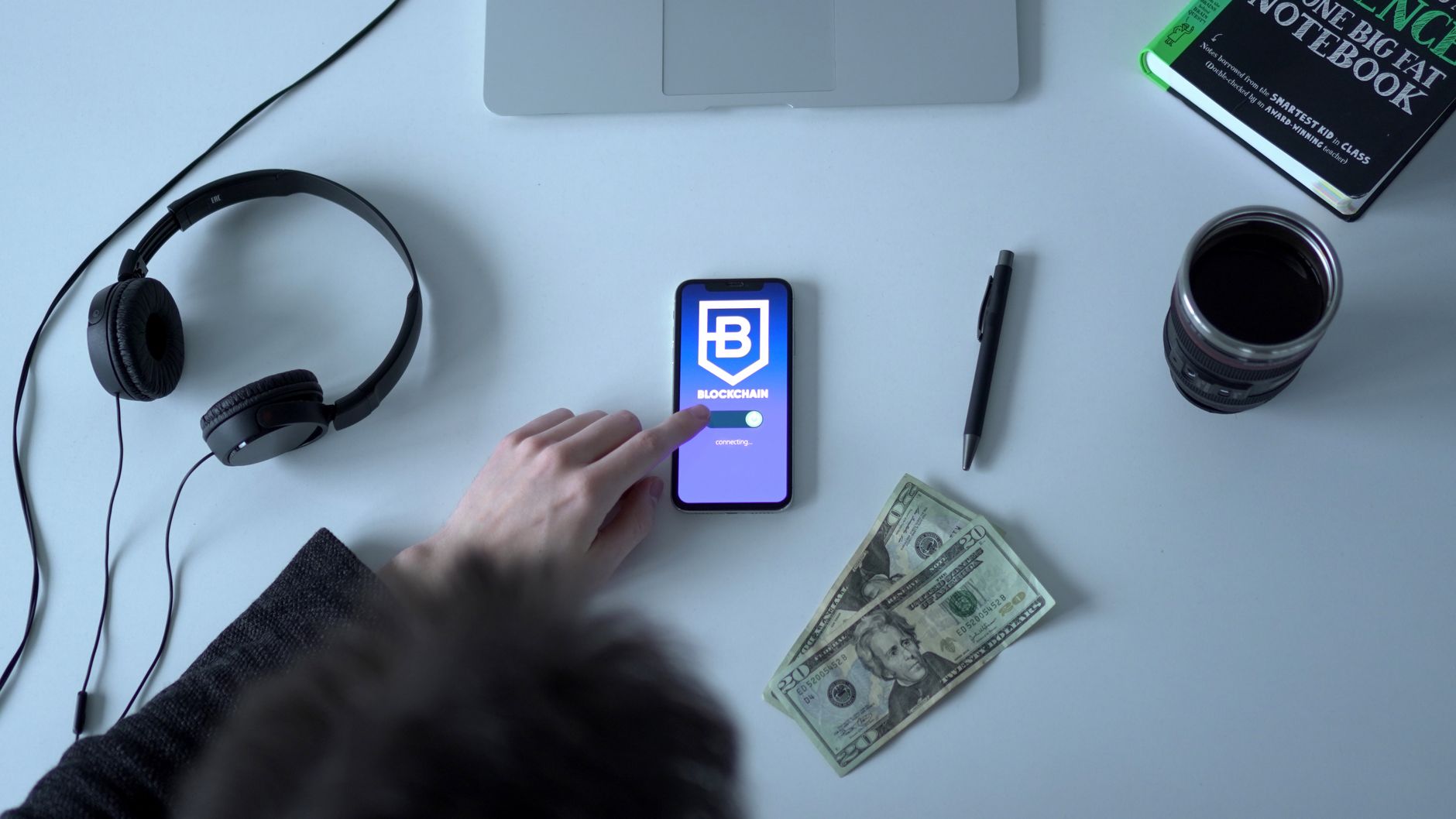
Understanding Decentralized Betting: How Web3 Transforms Your World Cup Wager
Traditional online betting platforms, while convenient, operate under a centralized model. This means a single entity controls all aspects of your wager – from odds setting and payout processing to data management and dispute resolution. This centralization inherently introduces a number of potential drawbacks: opacity in operations, susceptibility to single points of failure (like server outages or regulatory interventions), and a lack of direct control for the user over their own funds. Furthermore, these platforms often require extensive personal information, raising privacy concerns. Understanding this fundamental difference is crucial to appreciating the paradigm shift brought about by decentralized betting, particularly as we consider how it might impact an event as globally significant as the World Cup, where millions of passionate fans are eager to place their bets.
Decentralized betting, powered by Web3 technologies like blockchain and smart contracts, fundamentally re-architects this traditional model. Instead of relying on a human intermediary, your World Cup wager is governed by immutable code. When you place a bet on a decentralized platform, your funds are held in a smart contract – a self-executing agreement whose terms are publicly auditable and cannot be altered once deployed. This provides several key advantages:
- Transparency: All transactions and outcomes are recorded on a public blockchain, ensuring integrity.
- Security: Funds are held in escrow by the smart contract, eliminating the risk of platform insolvency or manipulation.
- Censorship Resistance: No single entity can arbitrarily block your access or invalidate your bet.
- Enhanced Privacy: Many decentralized platforms allow for pseudonymity, reducing the need to share sensitive personal data.
Bookmaker crypto sportsbooks are revolutionizing the world of online betting, offering a secure and anonymous way for users to place wagers on their favorite sports. These platforms leverage the power of blockchain technology to provide transparent transactions, instant payouts, and enhanced privacy for bettors. With a bookmaker crypto sportsbook, you can enjoy a decentralized betting experience, free from the traditional constraints of conventional bookmakers, all while benefiting from the efficiency and innovation of cryptocurrencies.
Your First Crypto Bet: A Step-by-Step Guide to Decentralized World Cup Wagering
With the FIFA World Cup approaching, the excitement for betting on your favorite teams and matches is palpable. But what if you could participate in a truly decentralized betting experience, free from traditional bookmakers and their centralized control? This guide will walk you through your very first crypto bet on the World Cup, demystifying the process and empowering you to engage directly with blockchain-based wagering platforms. We'll explore the advantages of this approach, including enhanced transparency, potentially better odds due to lower overheads, and the thrill of engaging with cutting-edge Web3 technology. Prepare to step into a new era of sports betting, where you hold the keys to your wagers and participate in a truly global, peer-to-peer marketplace.
To make your first decentralized World Cup wager, you'll need a few essentials. First, a crypto wallet (like MetaMask) compatible with the blockchain hosting your chosen betting platform. Second, some cryptocurrency (often a stablecoin like USDC or DAI) to fund your bets. Finally, an understanding of how to navigate a decentralized application (dApp). We'll cover each of these steps in detail, providing clear instructions and helpful tips. You'll learn how to:
- Set up and secure your crypto wallet.
- Acquire and transfer cryptocurrency to your wallet.
- Connect your wallet to a decentralized betting platform.
- Place your first World Cup bet using smart contracts.
Embrace the future of sports betting and experience the true power of decentralization.